Introduction to Gyro Meat
What is Gyro Meat and Why Make It at Home?
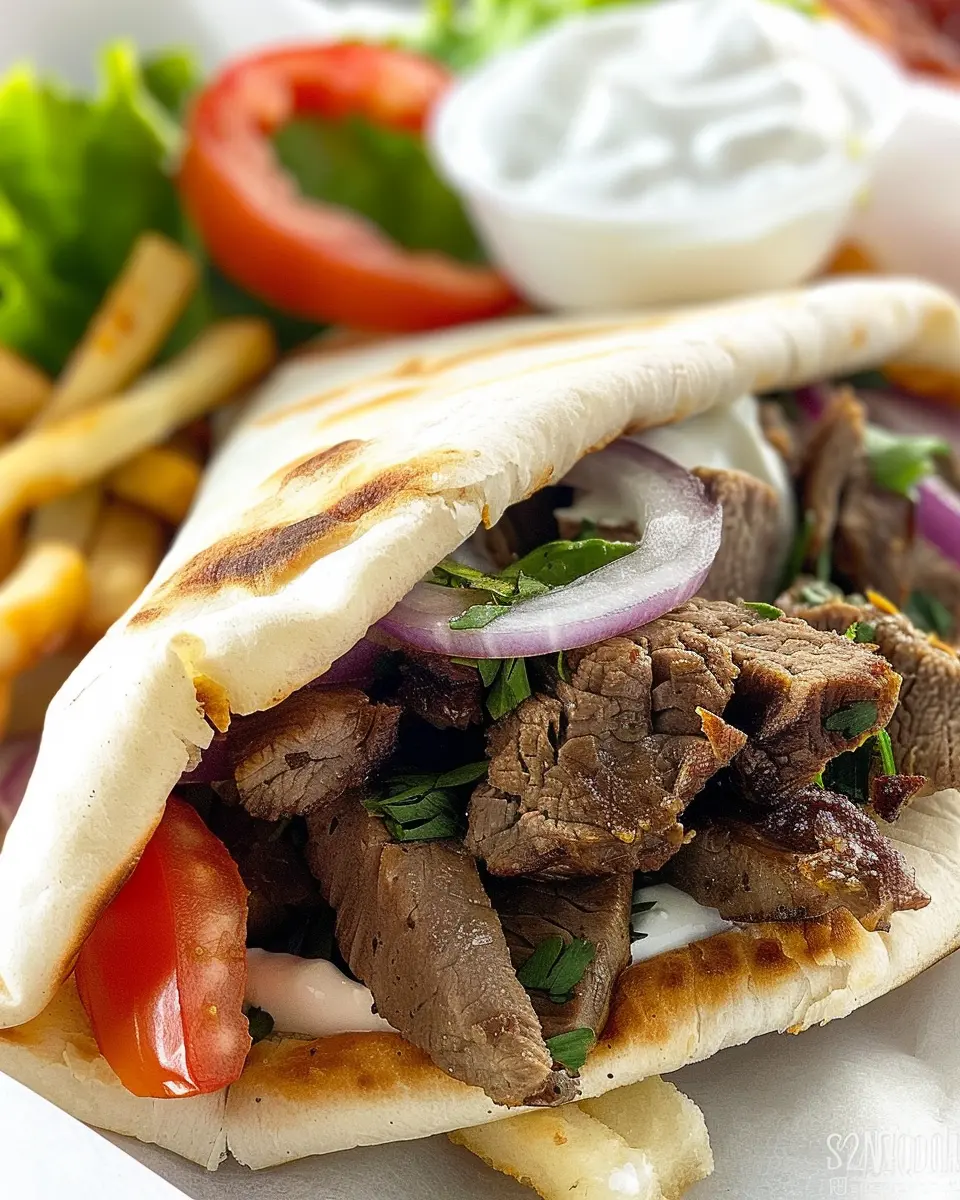
Have you ever indulged in a delicious gyro from your favorite Mediterranean food joint? That mouthwatering combination of tender meat, spices, and fresh toppings, all wrapped in warm pita bread, is something special. But have you ever considered making your own gyro meat at home? Not only is it easier than you might think, but it also allows you to customize flavors and ingredients to suit your preferences.
So, what exactly is gyro meat? Traditionally, this dish features a combination of seasoned lamb, beef, or chicken cooked on a vertical rotisserie. As the meat spins and cooks, the outer layer becomes perfectly crispy, while the inside remains juicy and flavorful. According to experts, the key to a great gyro lies in the seasoning blend – typically featuring garlic, oregano, and a hint of cumin.
Making gyro meat at home has several benefits:
-
Control Over Ingredients: You decide what goes in, ensuring the highest quality and taste. You can even switch up the traditional beef or lamb with turkey or chicken ham if you’re looking for leaner options.
-
Save Money: Dining out can tally up quickly. Creating your own version can be a budget-friendly way to enjoy this delightful dish regularly.
-
Creative Freedom: Feel like experimenting? You can adjust aromas and spices, or even try unique fusion flavors to really make it your own.
Home cooks have taken to crafting distinctive versions of gyro meat that suit their tastes and dietary restrictions. For those craving more inspiration, websites like Serious Eats offer in-depth techniques and variations for perfecting your recipe.
Perhaps the most exciting part? The process can be a fun way to bond with friends or family. Picture a weekend gathering where everyone gets involved in the marinating and cooking; it’s a delightful culinary adventure. Trust me; you’ll never look at takeout the same way again once you’ve experienced the joy of homemade gyro meat. So, are you ready to roll up your sleeves and explore the savory world of gyros? Let’s dive into the recipe!
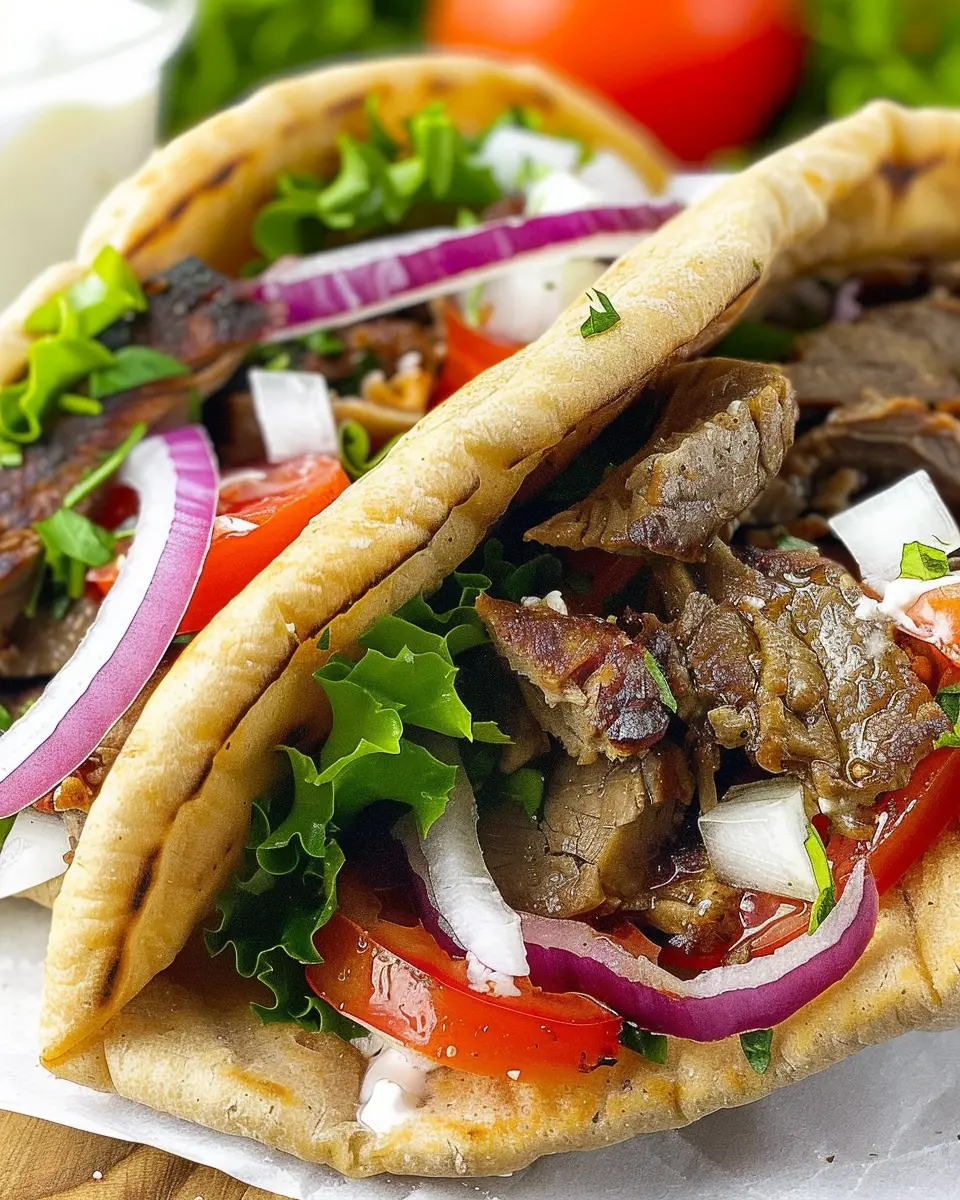
Ingredients for Gyro Meat
Essential Ingredients for Juicy Gyro Meat
When you’re ready to whip up some delicious gyro meat, having the right ingredients is crucial. Here’s what you’ll need:
- Ground Beef: This is the heart of your gyro meat, offering a rich flavor and perfect texture.
- Onion: Finely chopped, it adds a sweet and savory note. Consider using red onion for a bit more bite.
- Garlic: A few cloves, minced, will elevate the flavor profile remarkably.
- Oregano and Thyme: These herbs are classic in gyro recipes, delivering that aromatic flair.
- Salt and Pepper: For seasoning, you really can’t skip these!
Optional Ingredients to Enhance Flavor
Want to take your gyro meat to the next level? Here are some optional ingredients to consider:
- Turkey Bacon or Chicken Ham: Adding a bit of either can introduce a unique smoky flavor.
- Paprika or Cayenne: If you’re in the mood for some heat, a pinch of these spices adds depth.
- Lemon Zest: A sprinkle can brighten up the entire dish and bring a fresh twist.
These ingredients provide flexibility, allowing you to customize your gyro meat to suit your taste. For a deeper dive into flavor combinations, check out this helpful guide on spice pairings that can enhance your meal. Enjoy experimenting!
Preparing Gyro Meat
Creating delicious gyro meat at home can be an incredibly rewarding experience. Not only does it allow you to control the ingredients and flavors, but it also brings the delightful taste of Mediterranean cuisine right into your kitchen. To help you master this savory dish, here’s a detailed guide on preparing gyro meat.
Prepping the Ingredients
Before diving into the world of gyro meat, let’s gather all the necessary ingredients. You’ll need:
- 1 pound of beef, finely ground
- 1 pound of chicken ham, finely ground
- ½ pound of turkey bacon, finely chopped
- 1 medium onion, grated
- 4 cloves of garlic, minced
- 2 teaspoons of dried oregano
- 1 teaspoon of cumin
- 1 teaspoon of paprika
- Salt and pepper to taste
- Fresh parsley or dill for garnish
Start by checking your pantry for spices; having fresh, quality spices will elevate the flavor of your gyro meat. An aromatic blend of herbs will give your dish that authentic taste reminiscent of the bustling streets of Athens or Istanbul. Grate your onion and mince the garlic finely; this will ensure they incorporate smoothly into the meat mixture later.
Making the Meat Mixture
Now that everything is prepped, it’s time to create your meat mixture. In a large mixing bowl, combine the finely ground beef, chicken ham, and chopped turkey bacon. These three components work together to create a rich and flavorful base.
Add the grated onion, minced garlic, oregano, cumin, paprika, salt, and pepper. Mix thoroughly using your hands or a spatula, ensuring that all ingredients are evenly distributed. This step is crucial; each bite of your gyro meat should pack a punch of flavor.
For an extra kick, you might want to consider adding a pinch of cayenne pepper or some red pepper flakes. According to EatingWell, using fresh herbs can also enhance your dish, making every bite fresh and vibrant.
Baking the Gyro Meat
Once your mixture is ready, preheat your oven to 350°F (175°C). Form the meat mixture into a loaf shape and place it on a lined baking sheet. This method not only helps with cooking but also gives your gyro meat that unique texture people love.
Bake it for about 60-70 minutes. To ensure it’s cooked through, a meat thermometer should read an internal temperature of 165°F (74°C). Your kitchen will soon be filled with mouthwatering aromas, transporting you to a sunny Mediterranean cafe!
Letting the Meat Rest
After baking, allow the gyro meat to rest for about 10-15 minutes. Resting is vital; it lets the juices redistribute throughout the meat, resulting in a more tender and flavorful dish. In this downtime, you could prepare your accompaniments, like tzatziki sauce, pita bread, or a fresh Greek salad!
Slicing and Frying the Gyro Meat
The final step in this mouthwatering adventure is slicing and frying your gyro meat. Grab a sharp knife and cut the loaf into thin, tender slices—aim for about a quarter-inch thick.
Use a non-stick skillet on medium heat, add a splash of olive oil, and fry the slices until they’re crispy and golden brown. Frying for 3-5 minutes on each side will give your gyro meat that crunchy exterior we all adore!
Serve it hot, garnished with parsley or dill, along with your favorite sauces and sides. And don’t forget to share a plate with a friend or two—this delightful dish tastes even better when enjoyed together!
Enjoy your homemade gyro meat, and remember, each bite is an invitation to savor the flavors of the Mediterranean right at home. Happy cooking!
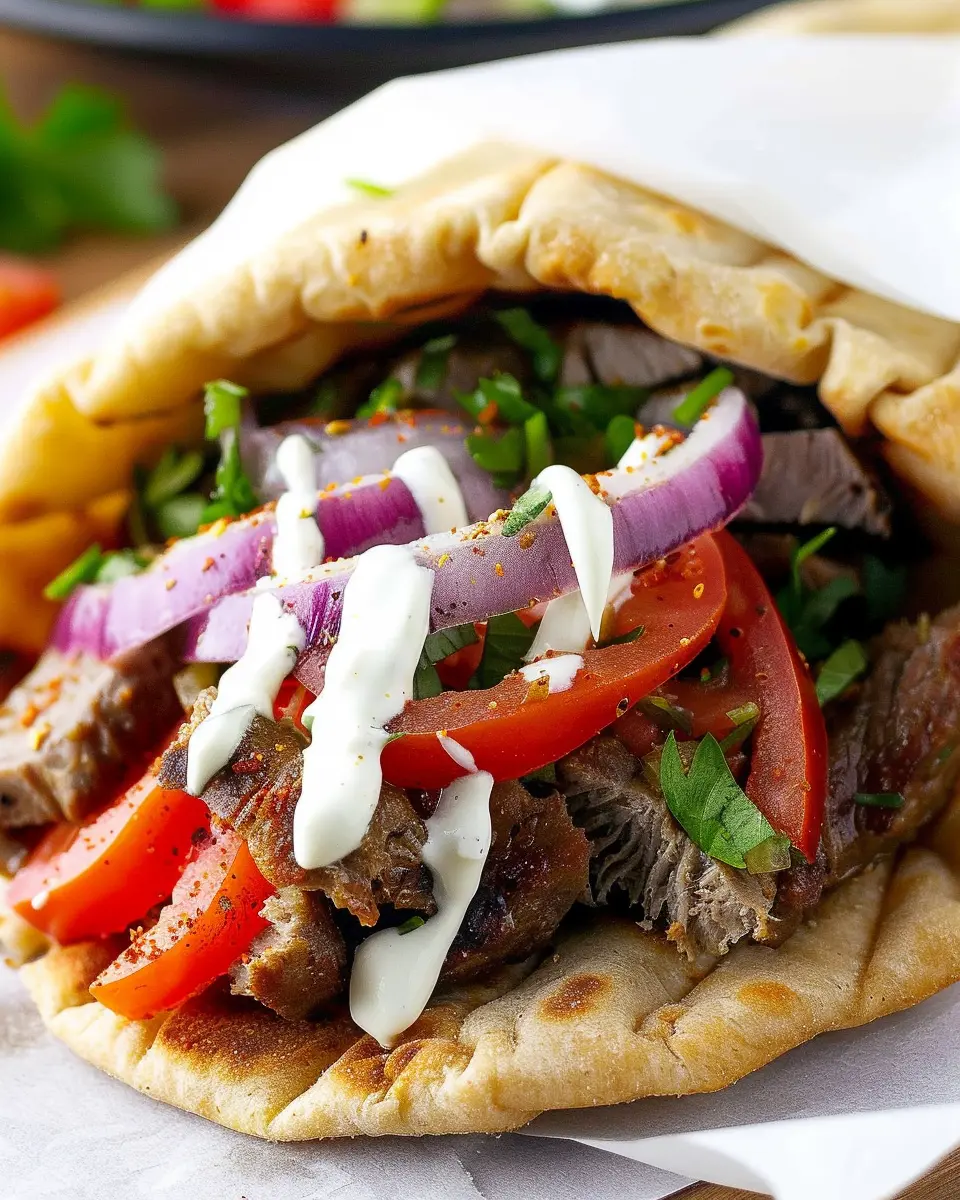
Variations on Gyro Meat
Lamb and Beef Combination Variations
If you’re a fan of traditional gyro meat, you might enjoy a scrumptious combination of lamb and beef. This duo can elevate your gyro experience, providing a richer flavor profile. Simply mix ground lamb with lean ground beef, seasoned with classic spices like garlic, oregano, and cumin. This combination offers a delightful fusion that still honors the roots of authentic gyro meat.
To achieve a juicy texture and robust taste, experiment with ratios—start with a 60/40 ratio of lamb to beef, and adjust according to your preference. A sprinkle of fresh herbs can enhance the final product as well. This mixed meat approach is not just tasty but adds more nutritional value to your meal.
Alternative Protein Options for Gyros
Exploring alternative proteins for your gyro meat can be a game changer, especially for those looking for healthier or vegetarian options. How about using grilled chicken or turkey? Seasoned chicken breast, thinly sliced and topped with traditional gyro fixings, can create a lighter but equally satisfying meal.
Another tasty alternative is plant-based protein. Ingredients like jackfruit or lentils can be seasoned similarly to traditional gyro meat. If you’re looking for a vegetarian twist, consider using spiced tofu or tempeh for a deliciously savory experience.
Not only do these alternatives cater to various dietary preferences, but they also encourage creativity in your cooking. You might find yourself enjoying these new twists on classic gyro meat even more! For a deeper dive into various protein sources, check out Healthline’s nutritional breakdown.
Ready to explore these variations? Dive into your next gyro adventure today!
Cooking Tips and Notes for Gyro Meat
Achieving the Perfect Texture
When making gyro meat, texture is everything. To get that classic, juicy bite, use a combination of ground beef and seasoning. For optimal results, chill your meat mixture before cooking—it helps with binding. Consider using a food processor to finely chop onions and garlic for even distribution.
Did you know that the right amount of fat can make or break your gyros? Aim for an 80/20 beef to fat ratio for extra moisture and flavor. A thermometer is your best friend here; a target internal temperature of 160°F ensures your gyro meat is perfectly cooked!
Common Mistakes to Avoid
Avoid common pitfalls like overcooking your gyro meat, which can lead to dryness. Another mistake is rushing the resting phase. Letting the meat sit for 10-15 minutes after cooking allows the juices to redistribute, ensuring every bite is tasty.
Lastly, don’t skimp on the seasoning. A robust spice mix not only enhances flavor but is also critical in creating that signature gyro taste. For more tips on spices, check out this guide on seasoning essentials for a flavor explosion!
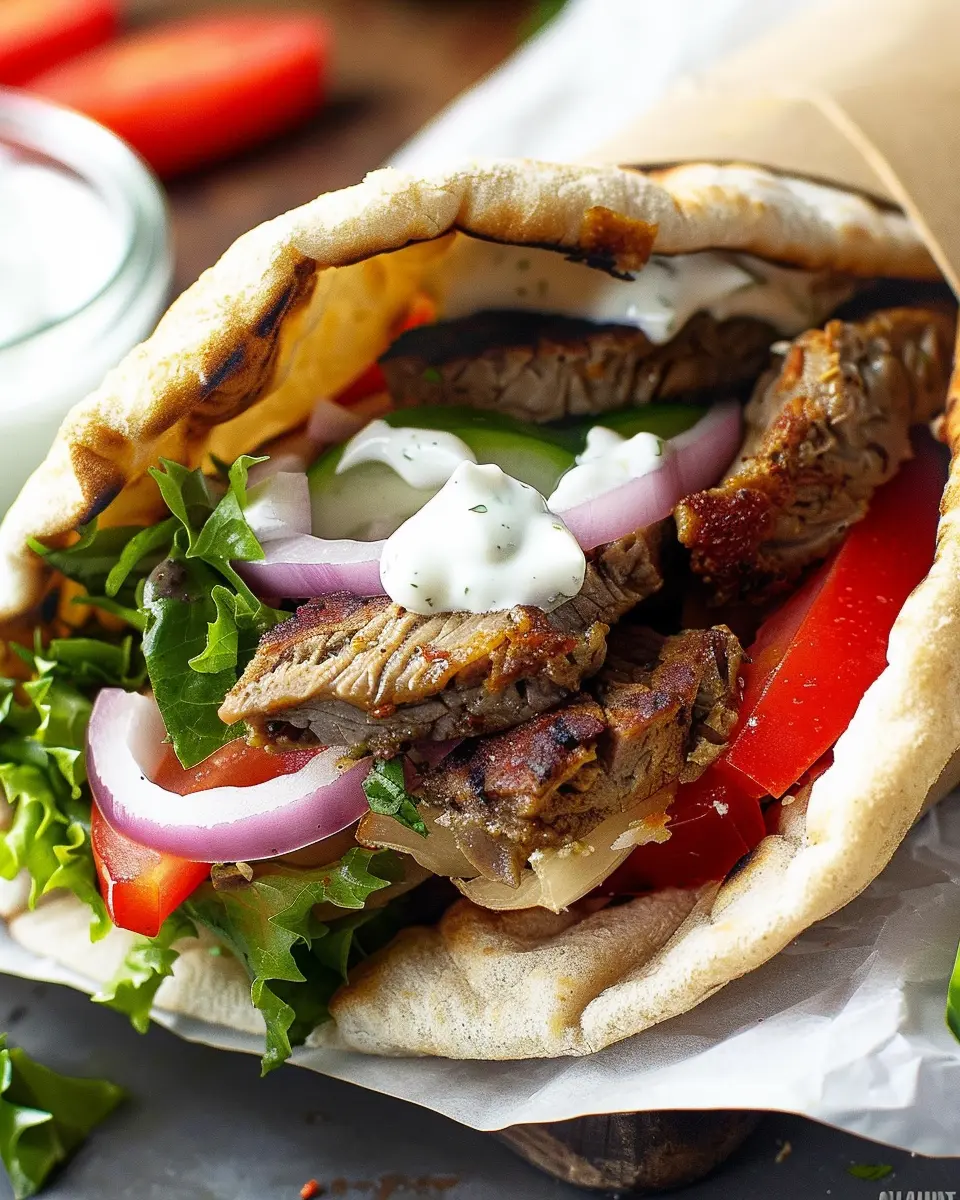
Serving Suggestions for Gyro Meat
Classic Gyro Wrap Ideas
When it comes to serving gyro meat, classic wrap ideas never disappoint. Start with a warm pita and layer on slices of juicy gyro meat, complemented by a generous dollop of tzatziki sauce. Don’t forget to add fresh toppings like sliced tomatoes, crisp lettuce, and tangy red onions. For a twist, why not try a spicy feta spread or a sprinkle of feta cheese for added creaminess? If you’re feeling adventurous, add some olives or pepperoncini for that extra Mediterranean flair.
Side Dishes That Pair Well with Gyros
To elevate your gyro experience, consider these mouthwatering side dishes:
- Greek Salad: Fresh cucumbers, ripe tomatoes, red onions, and Kalamata olives drizzled with olive oil. It’s refreshing and pairs perfectly with the flavors of gyro meat.
- Herbed Rice: Fluffy rice infused with herbs adds a delightful balance to your wraps.
- Roasted Potatoes: Crispy, seasoned potatoes are ideal for soaking up any leftover tzatziki sauce.
For more culinary inspiration and tips, check out BBC Good Food or Serious Eats—you’ll find plenty of ideas to elevate your meal!
Time Breakdown for Gyro Meat
Creating delicious gyro meat takes a bit of planning, but the results are well worth it! Here’s a quick overview of the time you’ll need to dedicate:
Preparation Time
Expect about 20-30 minutes to gather your ingredients and mix your flavorful blend of spices and meats. Consider chilling ingredients like Turkey Bacon or Chicken Ham beforehand for a more robust flavor profile.
Cooking Time
Once you get to the grill or oven, cooking time usually takes around 40-50 minutes. Keep an eye on the temperature to ensure the meat remains moist and tender.
Chilling Time
After cooking, let your gyro meat chill in the fridge for at least 2 hours. This helps solidify the flavors and make slicing easier—trust me, it’s an essential step!
Total Time
You’re looking at approximately 3 hours to complete the process. However, all that flavorful, juicy meat is perfect for meal prep or special occasions! For more tips on making your gyro meat shine, check out Serious Eats or Bon Appétit.
Nutritional Facts for Gyro Meat
Understanding the nutritional value of gyro meat allows for better meal planning. Here’s a quick breakdown of what you can expect:
Calories
A typical serving of gyro meat contains about 200-300 calories, depending on its preparation. This makes it a modest choice for those keeping an eye on their caloric intake.
Protein
Looking for a protein boost? Gyro meat delivers, with approximately 18-25 grams of protein per serving. It’s an ideal option for anyone looking to build muscle or maintain energy levels throughout the day.
Fats
With roughly 10-15 grams of fat, the fat content can make gyro meat a satisfying addition to your plate. Opt for leaner cuts to keep it on the healthier side.
For an in-depth understanding of why protein is essential, consider checking out this Nutrition Data article that breaks down macronutrients. Incorporating gyro meat into balanced meals can enhance both flavor and nutrition, making it a crowd-pleaser.
FAQs about Gyro Meat
When it comes to gyro meat, many questions pop up. Let’s dive into some of the most frequently asked questions to help you make the most of your delicious creation!
What is the best way to store leftover gyro meat?
If you find yourself with extra gyro meat, don’t fret! The key is to store it properly to maintain that delectable taste. Allow the meat to cool to room temperature, then wrap it tightly in foil or plastic wrap. For longer storage, pop it in an airtight container before placing it in the refrigerator. It can last up to four days! For extended freshness, consider freezing it — just remember to slice it before freezing for easier use later.
Can I make gyro meat ahead of time?
Absolutely! Preparing gyro meat in advance can save you time on busy weeknights or for gatherings. After cooking, let the meat cool, then store it in the fridge for up to three days. You can also slice it before storing to make meal prep even easier. Just reheat it in a skillet or microwave when you’re ready to eat.
What are some creative ways to use gyro meat?
Beyond the classic gyro sandwich, there are countless creative uses for gyro meat. Consider these ideas:
- Wraps and Bowls: Use it in wraps with fresh veggies, or add it to a salad or grain bowl for a protein-packed meal.
- Tacos or Quesadillas: Give your Mexican night a Mediterranean twist.
- Pasta Dishes: Toss it with your favorite pasta and sauce for a unique flavor experience.
The versatility of gyro meat makes it a fantastic ingredient to have on hand. Why not check out some unique recipes on trusted culinary websites for more inspiration? Happy cooking!
Conclusion on Gyro Meat
Recap of the Benefits of Making Gyro Meat at Home
Creating gyro meat in your own kitchen not only elevates your culinary skills but also allows you to customize flavors to your taste. Home preparation means you know exactly what’s in your food, with the ability to choose quality cuts of beef or even experiment with spices.
Plus, it’s a fun way to impress friends at gatherings with a hearty dish that pairs wonderfully with fresh vegetables and homemade tzatziki. Next time you’re in the mood for a Mediterranean treat, consider crafting your gyro meat—your taste buds will thank you! For tips on perfecting your gyro techniques, check out Serious Eats or The Kitchn.
PrintGyro Meat Bliss: Easy Recipes for Homemade Comfort Food
Discover the delightful world of gyro meat with these easy recipes that bring comfort food to your home.
- Prep Time: 15 minutes
- Cook Time: 50 minutes
- Total Time: 1 hour 5 minutes
- Yield: 6 servings
- Category: Main Course
- Method: Baking
- Cuisine: Greek
- Diet: Gluten-Free
Ingredients
- 2 pounds ground lamb
- 1 tablespoon garlic powder
- 1 tablespoon onion powder
- 1 tablespoon dried oregano
- 1 teaspoon ground cumin
- 1 teaspoon salt
- 1/2 teaspoon black pepper
- 1/2 cup breadcrumbs
Instructions
- Preheat your oven to 375°F (190°C).
- In a large bowl, combine all ingredients until well mixed.
- Shape the mixture into a loaf and place it in a baking dish.
- Bake for 50 minutes or until cooked through.
- Let it rest before slicing and serving.
Notes
- For extra flavor, marinate the meat overnight.
- Serve with pita bread and tzatziki sauce.
Nutrition
- Serving Size: 1 slice
- Calories: 350
- Sugar: 1g
- Sodium: 600mg
- Fat: 25g
- Saturated Fat: 10g
- Unsaturated Fat: 12g
- Trans Fat: 1g
- Carbohydrates: 6g
- Fiber: 1g
- Protein: 30g
- Cholesterol: 80mg