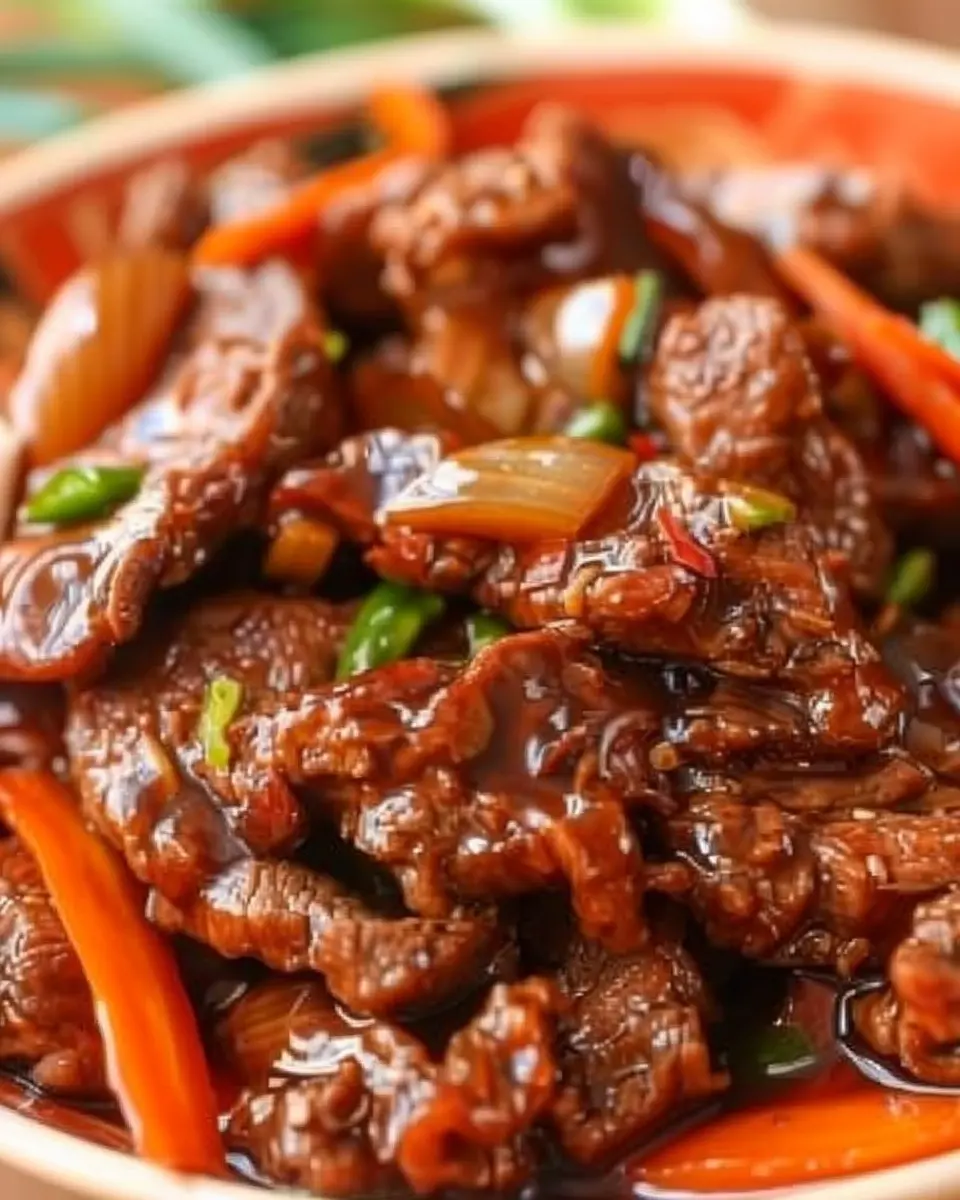
Introduction to Homemade Beijing Beef
Why Beijing Beef is a Favorite Among Young Professionals
If you’re a young professional juggling a busy schedule, you might find yourself reaching for takeout more often than you’d like. Enter Beijing Beef—a delectable dish that has become a go-to choice at many Chinese restaurants, especially for those craving something quick yet flavorful. Its savory, slightly sweet profile and stir-fried beef, paired with bell peppers and crispy onions, make it a satisfying option for lunch or dinner. According to a survey by National Restaurant Association, nearly 80% of millennials engage in takeout at least once a week, making it clear that the ease of enjoying a delicious meal without the hassle of cooking is a significant draw.
A Quick Look at the Panda Express Original vs. Homemade Version
While there’s nothing wrong with picking up a Beijing Beef dish from your favorite takeout joint, making it at home can be incredibly rewarding. When you whip up your own version, you’ll know exactly what goes into the dish, allowing you to customize flavors and portion sizes to fit your dietary needs. The Panda Express rendition of Beijing Beef is popular for a reason—it’s consistently delicious. However, homemade options offer the chance to elevate the dish in numerous ways.
Here’s a quick comparison:
-
Ingredients: Restaurant versions may use preservatives or modify flavors for mass appeal. Making it at home allows you to opt for fresher ingredients and more wholesome substitutions.
-
Flavor: You have the power to add your own twist! Feel like an extra kick? Toss in some chili flakes. Prefer it sweeter? A drizzle of sauce can do the trick.
-
Healthier Options: You can control the oil and sodium levels, tailoring the dish for a more nutritious profile.
In just about 30 minutes, you’ll find that creating your own Beijing Beef at home is not only more fulfilling but also a great way to impress friends during casual dinners. So, grab your ingredients, and let’s get cooking!
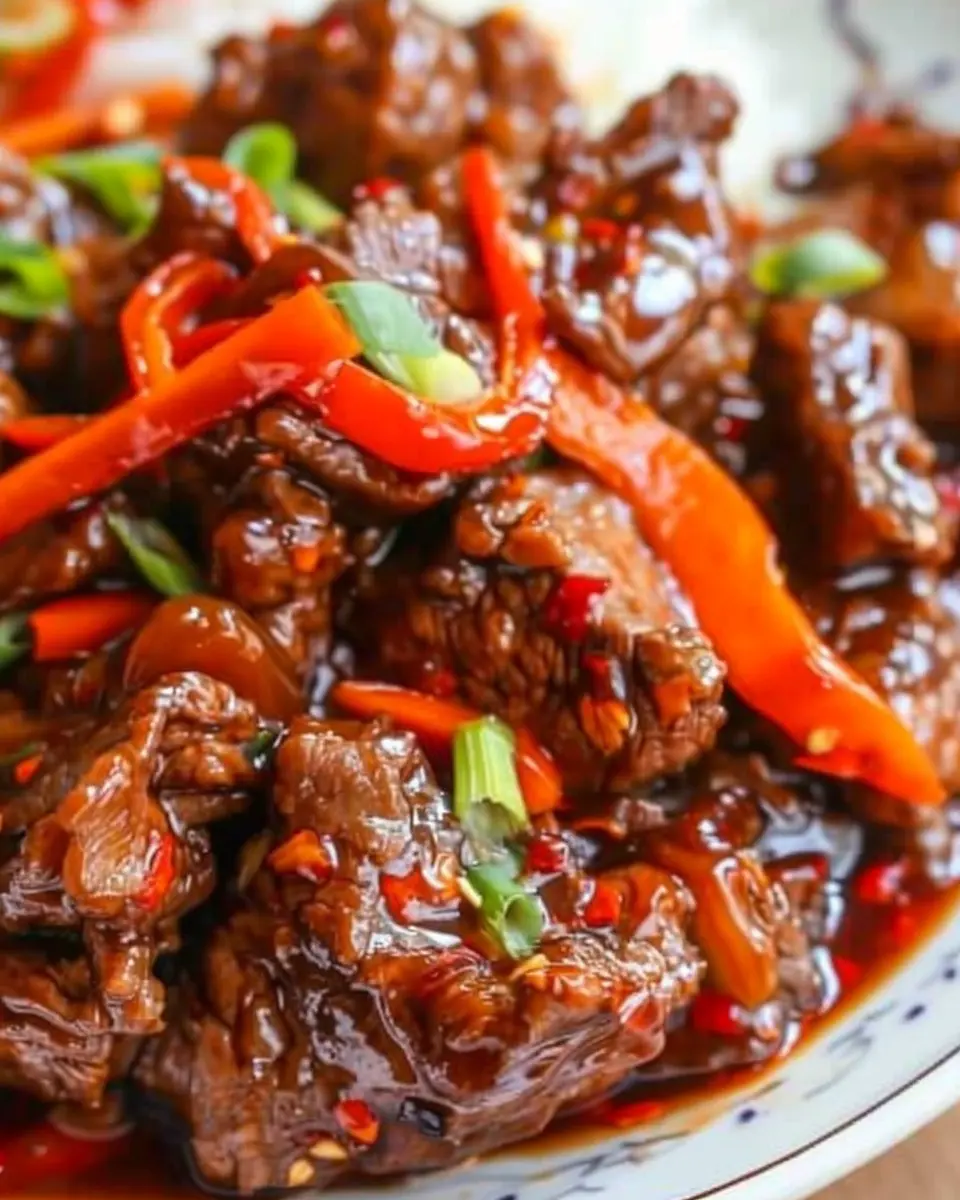
Ingredients for Beijing Beef
Main Ingredients: Beef and Vegetables
To create a delicious Beijing Beef dish that rivals your favorite takeout, you’ll need some key ingredients. Choose high-quality beef, such as flank steak or sirloin, which should be thinly sliced against the grain. This not only ensures tenderness but also absorbs the flavors beautifully.
Next, gather a colorful mix of vegetables to add crunch and nutritional value to your meal. Bell peppers (both red and green) and onions are classic choices, but feel free to add snap peas or broccoli for an extra pop of flavor and color.
Essential Sauces for the Perfect Flavor
The magic of Beijing Beef really comes from its standout sauces. You’ll want soy sauce for that savory element, along with hoisin sauce for a touch of sweetness. For some kick, include a splash of chili sauce or garlic sauce—just adjust to your heat preference. Don’t forget a little cornstarch to help thicken the sauce and give it that glossy finish that makes takeout so irresistible!
For more on how these flavors interconnect, you can check out sources like Serious Eats or Bon Appétit for expert food insights. Now that you’ve got your ingredients sorted, you’re just a step away from crafting an incredible meal at home!
Preparing Beijing Beef
Creating a delightful dish of Beijing Beef at home can be both fun and rewarding. If you’re a fan of the sweet and savory flavors that come from your favorite takeout, you’re in the right place. Here’s how to prepare this fantastic dish step by step. Grab your apron and let’s dive in!
Gather Your Ingredients
Before you start cooking, it’s essential to have all your ingredients ready. Here’s what you’ll need:
- 1 pound of beef (flank steak or sirloin)
- ¼ cup soy sauce (low sodium for a lighter touch)
- 2 tablespoons cornstarch
- ¼ cup all-purpose flour
- 2 tablespoons brown sugar
- 1 tablespoon hot sauce (adjust for your spice level)
- 1 bell pepper (red or green, sliced)
- 1 onion (sliced)
- 2 green onions (chopped for garnish)
- 3 cloves garlic (minced)
- Oil for frying (peanut or vegetable oil works best)
Having these ingredients prepped not only makes the process quicker but also ensures you won’t find yourself scrambling during the cooking phase. Plus, it gives you a moment to get excited about the wonderful meal you’re about to create!
Marinate Your Beef to Perfection
Marinating the beef is crucial for achieving that tender, flavorful bite characteristic of Beijing Beef. Start by slicing the beef thinly against the grain. In a bowl, combine the soy sauce, brown sugar, and one tablespoon of cornstarch. This mixture will not only flavor your meat but also help it retain moisture during cooking.
Let the beef marinate for at least 30 minutes—ideally, an hour is even better. If you’re short on time, the flavor will still come through, but patience here pays off. For more in-depth marinating tips, check out resources like Serious Eats that explore meat preparation techniques.
Whip Up a Flavorful Sauce
Now, let’s talk sauces. A great sauce can elevate your Beijing Beef from good to out-of-this-world delicious. In a bowl, mix together the remaining cornstarch, hot sauce, and some water to create a slurry. This will give your sauce a nice, glossy finish when cooked. You can also adjust the sweetness or spiciness to suit your taste—don’t be afraid to experiment!
Dredging and Frying the Beef
Once your beef has marinated, it’s time to dredge. Toss the beef strips in flour and shake off any excess. This step is key for getting that crispy exterior. Heat a skillet over medium-high heat and add about an inch of oil. Fry the beef in batches, ensuring not to overcrowd the pan. You want that wonderful crunch! It should take around 2-3 minutes per side until golden brown. Place the cooked beef on a paper towel to drain any excess oil while you prepare the rest of the dish.
Stir-fry Your Vegetables
In the same skillet, reduce the heat to medium and add a little more oil if needed. Toss in your sliced bell pepper, onion, and garlic. Stir-fry these beauties for about 2-3 minutes until they’re tender yet crisp. The aroma will be fantastic! If you want a more personalized touch, consider adding veggies like snap peas or carrots for additional color and crunch.
Combine Everything and Finish the Dish
The final step is where the magic happens. Return the fried beef to the skillet, adding your flavorful sauce. Toss everything together for about 2 minutes, making sure the beef and veggies are coated beautifully. Once everything is heated through, sprinkle the chopped green onions on top for that fresh finish.
Plate your homemade Beijing Beef, and be prepared to impress anyone at your dinner table! Serve it hot over rice or noodles for a complete meal. Enjoy your culinary journey into this delightful dish, and watch as it quickly becomes a household favorite!
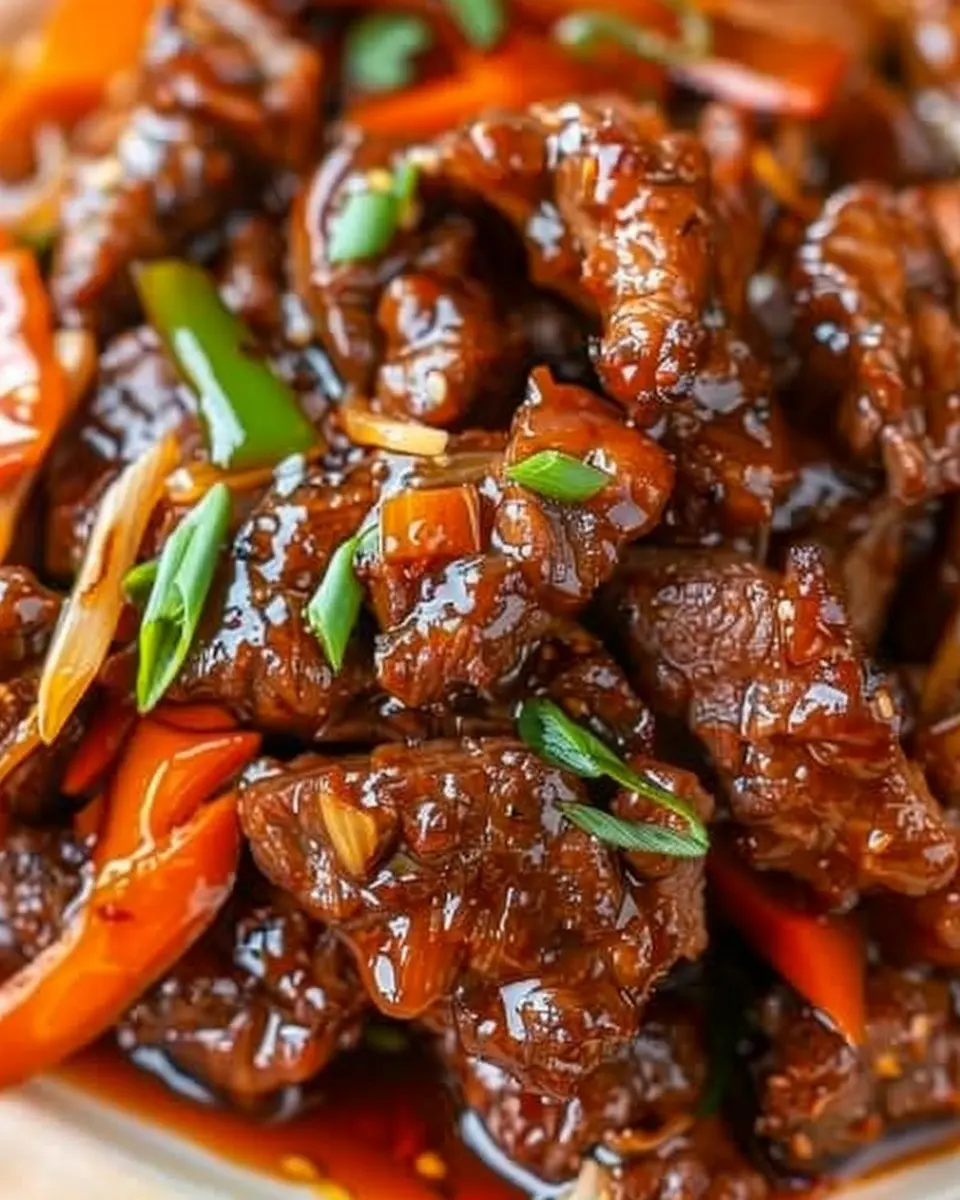
Variations on Beijing Beef
When you think of Beijing Beef, you might picture the classic takeout dish that’s sweet, tangy, and absolutely delicious. But what if you want to mix things up? Here are a couple of tasty variations to elevate your dining experience!
Spicy Beijing Beef: Adding More Heat
If you love a kick in your meals, consider transforming your Beijing Beef into a spicy sensation. Start by adding minced garlic and ginger to your stir-fry for an aromatic base. Then, bring on the heat! Incorporate crushed red pepper flakes or sliced fresh chili peppers into the dish. For an additional flavor boost, try a dash of chili oil or a splash of sriracha, perfect for those who enjoy intense flavors.
Don’t shy away from pairing your spicy twist with a cool side like cucumber salad, which can balance the heat beautifully. For more insights on incorporating spice in your cooking, check out this guide on cooking with heat.
Vegetarian Beijing “Beef”: Substituting with Tofu
For those looking to create a vegetarian version of Beijing Beef, tofu is your best friend! Firm or extra-firm tofu mimics the texture of beef when cooked correctly. Start by marinating cubed tofu in soy sauce, garlic, and a dash of ginger to infuse flavor. Bake or pan-fry until crispy, then toss with your vegetables and sauce.
You can also experiment with different marinades, like teriyaki or a sweet soy glaze, for varying tastes. This substitution not only reduces meat consumption but also adds protein to your meal. Remember, a satisfying vegetarian dish can be just as fulfilling!
These variations allow you to personalize your Beijing Beef experience while catering to your preferences and dietary needs. Embrace creativity in your kitchen and enjoy these delicious alternatives!
Cooking Tips and Notes for Beijing Beef
Choosing the Right Cut of Beef
When making Beijing Beef, selecting the right cut of beef is crucial for achieving that tender and flavorful bite. Look for cuts like flank steak or sirloin, as they tend to be lean yet flavorful. These cuts absorb marinades well and cook quickly, which is essential for stir-fry. Freshness is key, so try to buy from local butchers or reputable sources like USDA Choice.
Tips for Perfectly Fried Beef
Achieving that crispy exterior while keeping the inside juicy can be tricky. Here are some quick tips:
- Marinate the Beef: Marinate for at least 30 minutes to enhance flavor.
- Don’t Overcrowd the Pan: Fry in batches to maintain high heat.
- Use Cornstarch: Dredge the beef lightly in cornstarch before frying for extra crispiness.
Importance of Ingredient Preparation
Prepping your ingredients is as vital as cooking them. Make sure to:
- Slice Vegetables Uniformly: This ensures even cooking.
- Have Everything Ready: A stir-fry moves fast. Prep all ingredients before you start cooking!
Incorporating these tips will elevate your Beijing Beef game and make your dish a standout at your next dinner!
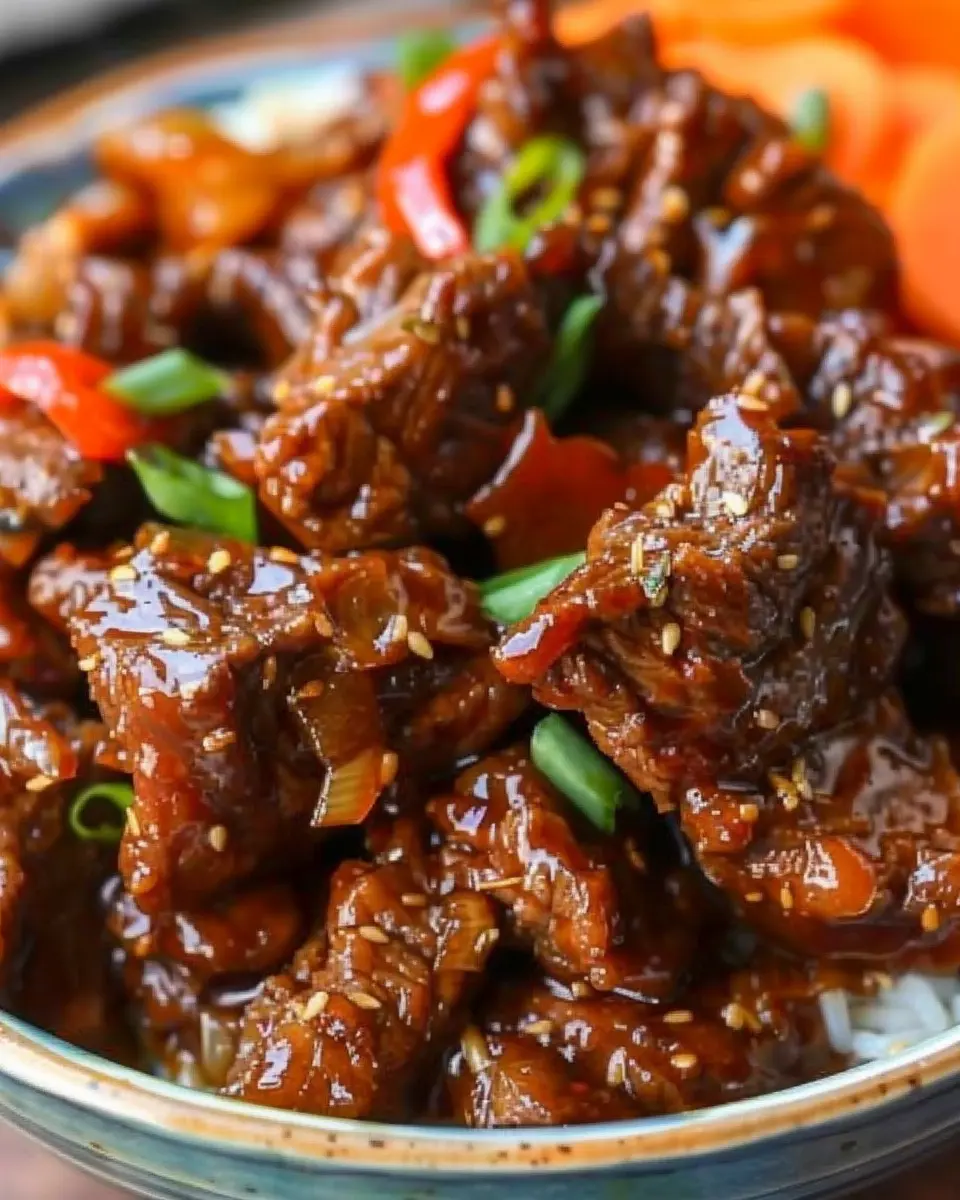
Serving Suggestions for Beijing Beef
Best Sides to Complement Your Dish
Pairing Beijing Beef with the right sides can elevate your meal from good to unforgettable. Here are some fantastic complements:
- Steamed Jasmine Rice: The fluffy grains soak up the savory sauce perfectly.
- Stir-Fried Vegetables: A mix of bell peppers, broccoli, and snap peas adds a crunchy texture and vibrant color.
- Egg Fried Rice: A flavorful twist that pairs beautifully with the sweet and tangy notes of Beijing Beef.
- Asian Cucumber Salad: The refreshing crunch of cucumbers tossed in sesame dressing balances the dish nicely.
These options not only enhance the overall experience but also offer a variety of textures and flavors. For more side ideas, check out this guide to perfect side dishes.
Creative Ways to Serve Leftovers
Got Beijing Beef leftovers? You’re in for a treat! Reinventing your meal is easier than you think.
- Stuffed Bell Peppers: Combine leftover Beijing Beef with rice and vegetables for a new, healthy dish.
- Tacos: Load up soft tortillas with Beijing Beef, fresh veggies, and a drizzle of sour cream for a fun fusion.
- Fried Rice: Sauté the leftovers with some day-old rice, eggs, and soy sauce for a quick and satisfying meal.
These ideas will keep your weeknight dinners exciting! Don’t forget to store your leftovers properly to maintain freshness. For more on food storage tips, visit this handy resource.
Time Breakdown for Making Beijing Beef
Preparation Time
Getting started on your Beijing Beef doesn’t take long! You’ll want to set aside about 15 minutes for preparation. This includes slicing the beef, chopping vegetables, and mixing your flavorful sauce. Having everything prepped not only speeds up the cooking process but also keeps things organized in your kitchen.
Cooking Time
The cooking itself is a quick affair—around 20 minutes. This time is spent stir-frying the beef and veggies until they’re perfectly tender. It’s truly amazing how quickly you can whip up a restaurant-quality dish at home!
Total Time
All in all, you’re looking at just 35 minutes from start to finish for this tasty Beijing Beef dish. A perfect option for a weeknight dinner when time is of the essence! As you dive into making this dish, imagine how satisfying it will be to recreate your favorite takeout experience right in your own kitchen. For additional tips on cooking meat perfectly, check out this guide from the USDA.
Nutritional Facts for Beijing Beef
Calories and Macronutrients Overview
When you indulge in Beijing Beef, it’s helpful to know what you’re fueling your body with. On average, a serving (about 1 cup) contains approximately 300-400 calories. The macronutrient breakdown is typically as follows:
- Protein: 15-20 grams
- Carbohydrates: 25-30 grams
- Fats: 10-20 grams
Of course, the exact numbers can vary based on your exact recipe choices or any modifications. Opting for lean cuts of beef and balancing with fresh veggies can make it even more nutritious. For more on macronutrients and their importance, check out Healthline.
Health Considerations and Modifications
While Beijing Beef is undeniably delicious, it’s smart to think about health. Here are some considerations:
- Sodium Content: Traditional recipes may be high in salt. Try using low-sodium soy sauce to cut back.
- Vegetarian Option: Experiment with tofu for a plant-based twist that still delivers flavor.
- Serving Size: Be mindful of portion sizes to keep calorie counts in check.
With these modifications, you can enjoy this classic dish while staying aligned with your health goals. And hey, cooking at home gives you the power to control your ingredients!
FAQs About Beijing Beef
Can I use a different type of meat for this recipe?
Absolutely! While traditional Beijing Beef typically features sliced beef, you can easily swap it for other proteins based on your preferences. Chicken, turkey, or even tofu for a vegetarian option can work just as well. Just be mindful of cooking times as different meats may require varying durations to achieve that perfect tenderness. If experimenting, keep an eye on the texture to ensure it matches the delicious crispiness you’re aiming for.
How can I make this recipe gluten-free?
Making your Beijing Beef gluten-free is simple! Just substitute regular soy sauce with tamari or coconut aminos, which are both gluten-free alternatives. Additionally, check your hoisin sauce for hidden gluten, as some brands may include it. Using gluten-free cornstarch for coating the meat will ensure your dish retains that delightful crunch.
What’s the best way to store and reheat Beijing Beef?
To keep your Beijing Beef fresh, store any leftovers in an airtight container in the refrigerator for up to three days. If you need longer storage, consider freezing it. When you’re ready to enjoy it again, the best way to reheat is in a skillet over medium heat to keep that crispy texture intact. For larger batches, microwaving is handy too, but be aware that this may soften the meat a bit. Remember, slow and steady wins the race when it comes to reheating!
By addressing these common questions, I hope you feel more equipped to tackle your homemade Beijing Beef. If you’re interested in more tips, check out this guide on cooking with soy alternatives for further information!
Conclusion on Homemade Beijing Beef
Final Thoughts on Making Your Own Version
Creating your own Beijing Beef at home is not just a delicious endeavor; it’s an opportunity to customize it to your taste buds. With fresh ingredients, you can avoid the sometimes overly greasy take-out versions and bring that vibrant flavor into your kitchen. Remember, your homemade version retains all the joy and excitement of the original dish without the added preservatives.
Encouragement to Experiment with the Recipe
Don’t be afraid to get creative! Whether it’s trying out different vegetables or adjusting the spice level, every tweak can lead to a flavorful revelation. Consider exploring different sauces or even swapping out turkey bacon for chicken ham to give your Beijing Beef a unique twist. Remember, cooking is all about experimentation—so go ahead and let your culinary instincts guide you. For inspiration, you might find this compilation of delicious stir-fry techniques useful! Enjoy the journey, and most importantly, savor every bite.
PrintBeijing Beef Takeout Copycat – Easy Homemade Recipe Video
This easy Beijing Beef recipe brings the taste of takeout right to your home. Follow along with the video for step-by-step instructions!
- Prep Time: 15 minutes
- Cook Time: 15 minutes
- Total Time: 30 minutes
- Yield: 4 servings
- Category: Main Course
- Method: Stir Fry
- Cuisine: Chinese
Ingredients
- 1 pound beef sirloin, sliced
- 1/2 cup cornstarch
- 1 cup beef broth
- 1/4 cup soy sauce
- 2 tablespoons hoisin sauce
- 3 tablespoons sugar
- 1 tablespoon rice vinegar
- 1 red bell pepper, sliced
- 1 green bell pepper, sliced
- 2 green onions, chopped
Instructions
- In a bowl, combine sliced beef and cornstarch; mix well.
- Heat oil in a skillet over medium-high heat.
- Add the beef and cook until browned.
- In a separate bowl, whisk together beef broth, soy sauce, hoisin sauce, sugar, and rice vinegar.
- Pour the sauce over the beef and stir to combine.
- Add the sliced bell peppers and cook until tender.
- Garnish with green onions before serving.
Notes
- For extra flavor, marinate the beef for at least 30 minutes before cooking.
- Serve with rice or noodles for a complete meal.
Nutrition
- Serving Size: 1 plate
- Calories: 400
- Sugar: 15g
- Sodium: 600mg
- Fat: 15g
- Saturated Fat: 5g
- Unsaturated Fat: 8g
- Trans Fat: 0g
- Carbohydrates: 40g
- Fiber: 2g
- Protein: 30g
- Cholesterol: 70mg