Introduction to Japchae Recipe
What is Japchae and Why is it Beloved?
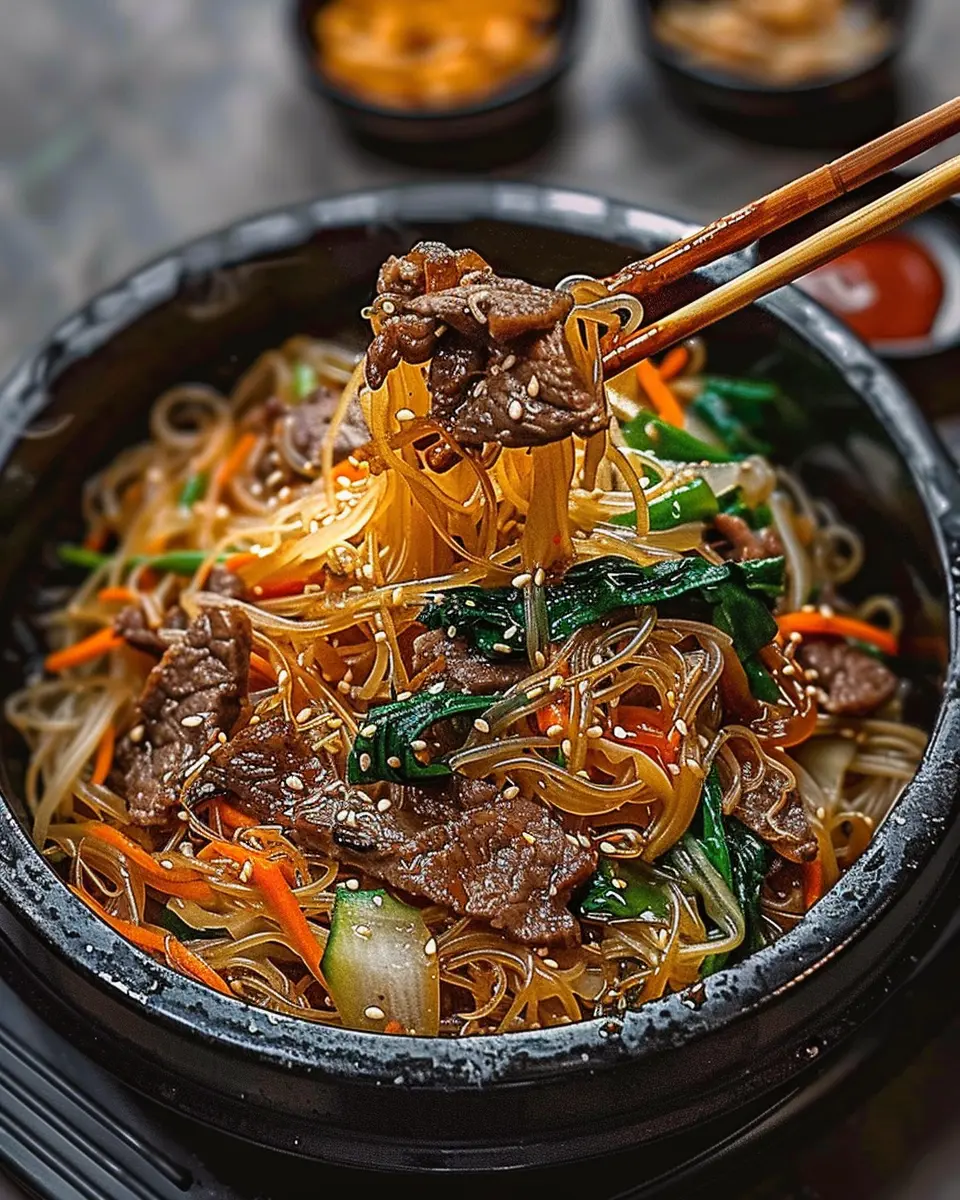
Japchae is a traditional Korean dish that has charmed its way into the hearts of food lovers around the globe. Made primarily from sweet potato starch noodles, also known as glass noodles, this dish is not only visually appealing but also delightfully chewy. The noodles are stir-fried with a vibrant array of vegetables, and you can often find proteins like turkey bacon, chicken ham, or even tofu mixed in, creating a dish that’s both filling and nutritious.
The beauty of a japchae recipe lies in its versatility. Whether you’re hosting a fancy dinner party or just looking for a simple weeknight meal, japchae fits the bill perfectly. It can be served as a side dish, known as banchan, or as the main attraction. According to popular Korean cooking resources, the balance of flavors from the soy sauce and sesame oil, combined with the natural sweetness of the sautéed vegetables, makes japchae a go-to comfort food for many. You can learn more about its cultural significance here.
Why the Love?
For many, japchae evokes memories of family gatherings and celebrations. It’s a dish that symbolizes togetherness and joy, often enjoyed during special occasions such as birthdays and holidays. This sentimental connection adds depth to its already rich flavor profile.
Beyond just a taste sensation, the health benefits are noteworthy too. Rich in fiber, vitamins, and nutrients thanks to the plethora of vegetables it harbors, as well as lower in fat when prepared without heavy oils, japchae can be a guilt-free indulgence.
Whether you’re a seasoned chef or a beginner in the kitchen, trying your hand at making japchae from scratch can be a rewarding endeavor. Getting the noodles just right and perfectly stir-frying the vegetables might take a bit of practice, but the results are utterly satisfying. If you’re ready to explore this delicious dish further, let’s dive into the full japchae recipe together!
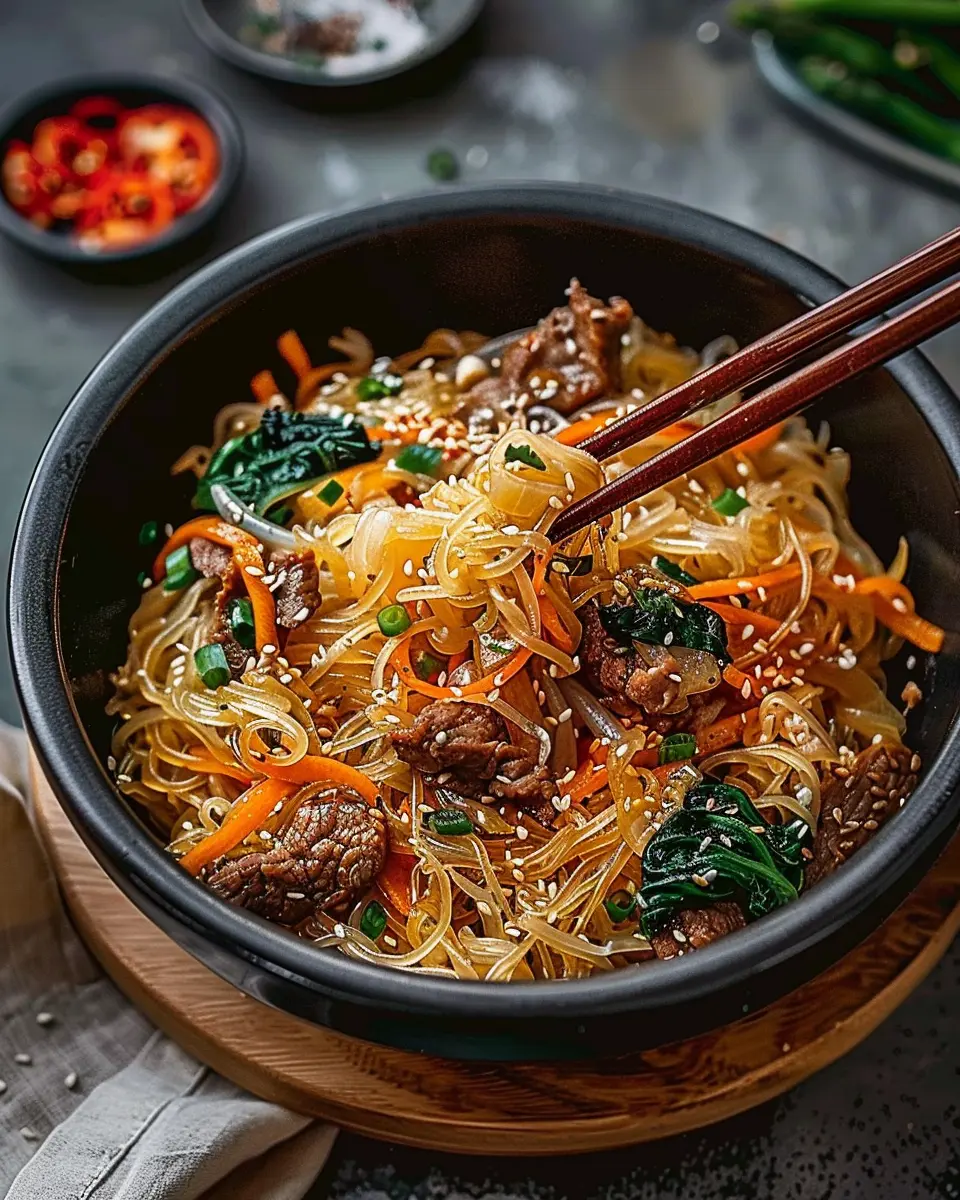
Ingredients for Japchae
Creating the perfect japchae recipe hinges on the quality and balance of your ingredients. Let’s dive into what you’ll need to bring this vibrant Korean noodle dish to life!
Essential ingredients for the perfect Japchae
To whip up this delectable stir-fried dish, gather these core components:
- Sweet Potato Noodles: Also known as dangmyeon, these translucent noodles give japchae its signature chewy texture.
- Vegetables: A colorful mix is key! Use carrots, bell peppers, spinach, and onions for a delightful crunch and flavor.
- Turkey Bacon or Chicken Ham: For a protein boost, both options work beautifully in flavoring this dish without overpowering the veggies.
- Soy Sauce: This ingredient adds depth, saltiness, and umami—crucial for authentic taste.
- Sesame Oil: Just a drizzle elevates your dish, adding a nutty aroma that’s irresistible.
- Garlic: A bit of minced garlic brings a fragrant kick that ties everything together.
Feel free to check out more about the nutritional benefits of these ingredients on Healthline to discover how they contribute to your health while enjoying this delicious dish!
Enjoy crafting your own version of this tasty meal; the balance of flavors is all in your hands!
Preparing Japchae
If you’re looking to bring a taste of Korea to your kitchen, this japchae recipe is a wonderful place to start! This flavorful dish, featuring sweet potato noodles, tender beef, and a colorful medley of vegetables, is not only delicious but also visually stunning. Let’s dive into the step-by-step process of making this delightful dish.
Cook the Sweet Potato Noodles
The star of your japchae is the sweet potato noodles, known as dangmyeon. These noodles have a unique texture and absorb flavors beautifully when cooked right.
- Start by boiling a pot of water.
- Once boiling, add the sweet potato noodles and cook for about 6-8 minutes until they become translucent and slightly soft.
- Drain them through a colander and rinse with cold water to stop the cooking process. This step is crucial as it prevents the noodles from becoming mushy.
- Once cooled, toss the noodles in a drizzle of sesame oil to keep them from sticking together. Using sesame oil not only adds flavor but also helps maintain the integrity of the noodles.
Prepare the Beef and Marinate
Introducing beef into your japchae adds a rich protein component that balances the delicate flavors of the dish.
- Choose a cut like ribeye or sirloin for tenderness. Thinly slice about 1/2 pound of beef.
- Marinate the slices in a mixture of soy sauce, minced garlic, sesame oil, and a sprinkle of black pepper. Let it sit for at least 15-20 minutes to absorb those fantastic flavors.
- Pro tip: If you’re short on time, marinating for even 10 minutes can still add a layer of deliciousness!
Sauté the Vegetables
Next up, it’s time to bring in the colorful vegetables. Japchae is typically made with a vibrant array of veggies, adding both flavor and texture.
-
Here’s a simple vegetable lineup:
-
1 cup of sliced bell peppers (red, yellow, or green)
-
1 cup of thinly sliced carrots
-
1 cup of spinach
-
1 small onion, thinly sliced
-
Heat a pan with a drizzle of vegetable oil over medium heat. Start by sautéing the onions until they become translucent, about 2-3 minutes.
-
Gradually add the other veggies, cooking each for about 2-3 minutes until they’re crisp-tender. Don’t forget to season them lightly with soy sauce as they cook for an added depth of flavor.
Combine All Ingredients
Now that all the components are prepped and ready, it’s time to combine them into one scrumptious dish.
- In a large mixing bowl, combine the cooked sweet potato noodles, marinated beef, and sautéed vegetables.
- Add a splash more soy sauce, another dash of sesame oil, and a sprinkle of sugar to balance flavors. This is a critical step where you can adjust based on your taste preferences – you might prefer a bit more soy sauce or sweetness!
Toss and Serve
Finally, it’s time for that delightful moment when you can dig in!
- Using tongs or chopsticks, gently toss everything together to ensure the flavors meld beautifully. Don’t rush this step; take your time to make sure every noodle and vegetable is coated evenly.
- Serve hot on a nice platter, garnished with sesame seeds for that beautiful touch. You can even add a sprinkle of chopped green onions or a dash of red pepper flakes if you like it spicy.
And there you have it—a vibrant and tasty japchae that’s perfect for any occasion! Not only is it tasty, but it also looks stunning when served. Whether you’re cooking for friends or enjoying a quiet night in, this dish is sure to impress. Enjoy your homemade japchae!
For more ideas on how to elevate your Korean cooking, consider visiting Korean Bapsang for inspiration and tips.
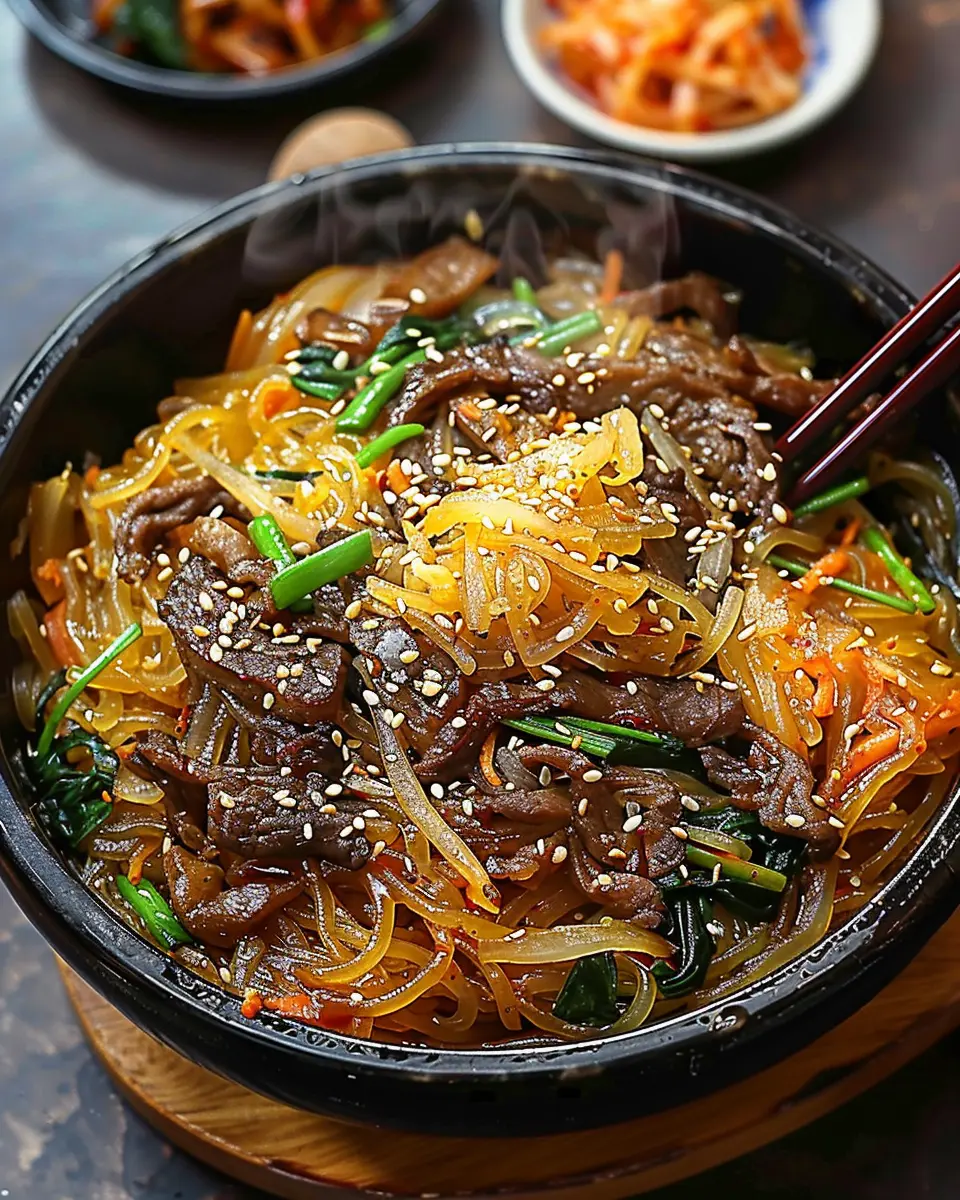
Variations on Japchae
Japchae is a wonderfully adaptable dish that invites creativity! Whether you’re looking to accommodate dietary preferences or simply want to try something new, there are several delicious variations to explore.
Vegetarian Japchae
For meat-free lovers, vegetarian japchae is a fantastic option. Simply substitute the proteins with a medley of colorful vegetables and plant-based proteins like tofu or tempeh. Consider using:
- Spinach
- Bell peppers
- Carrots
- Mushrooms
- Zucchini
These not only add nutrition but also vibrant colors to your dish. You can enhance the flavor with a splash of soy sauce and sesame oil. This variation is not just satisfying; it’s also packed with essential nutrients!
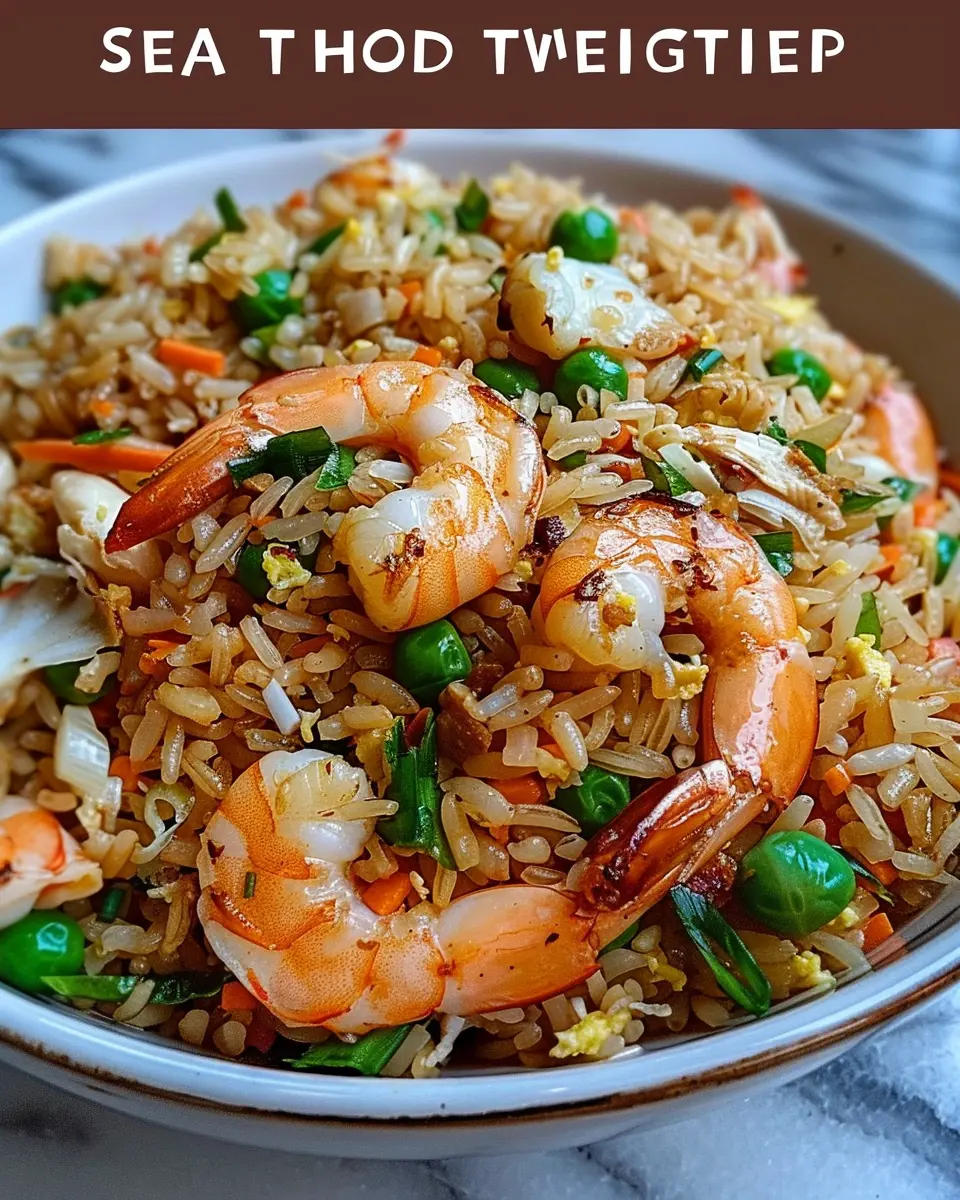
Japchae with Seafood
If you’re a fan of seafood, try adding shrimp, scallops, or even crab to your japchae recipe. The umami flavors from the seafood create a delightful twist on this traditional dish. To prepare:
- Sauté your seafood of choice until cooked through.
- Toss them into the stir-fried vegetables and glass noodles for a heavenly result.
Don’t forget to sprinkle some toasted sesame seeds on top for crunch and nuttiness!
Gluten-Free Options
For those avoiding gluten, you can easily adapt your japchae recipe by using gluten-free soy sauce or tamari. Additionally, confirm that the sweet potato noodles you choose are made from 100% sweet potato starch, as some brands may contain gluten additives.
Making these variations not only keeps the dish fresh but also makes it accessible to everyone at your table. So, what are you waiting for? Let your culinary creativity soar with these delightful spins on japchae! For more insights on cooking, check out resources like The Korean Vegan for additional recipe inspiration and tips.
Cooking Tips and Notes for Japchae
Japchae is a delightful Korean stir-fried noodle dish that’s as colorful as it is flavorful. To ensure your japchae recipe reaches its full potential, here are some essential tips:
Choosing the Right Noodles
- Opt for sweet potato starch noodles, known as dangmyeon. They have a unique chewy texture that perfectly holds the sauce.
Slicing Ingredients
- Slice vegetables, such as bell peppers and carrots, uniformly for even cooking and presentation. Think of it as creating a beautiful edible mosaic!
Flavor Enhancements
- For a deeper umami boost, consider adding a splash of low-sodium soy sauce or sesame oil. These will elevate your flavors without overpowering them.
Meat Alternatives
- If you’re adjusting the recipe, using turkey bacon or chicken ham can add a wonderful heartiness while keeping it lean.
Serving Suggestions
- Serve japchae warm for the best texture and taste. It’s perfect on its own or as a side dish with grilled meats.
Lastly, don’t hesitate to customize—add your favorite veggies or proteins! For more tips on ingredient substitutions, check out this article on the versatility of Korean cuisine. Happy cooking!
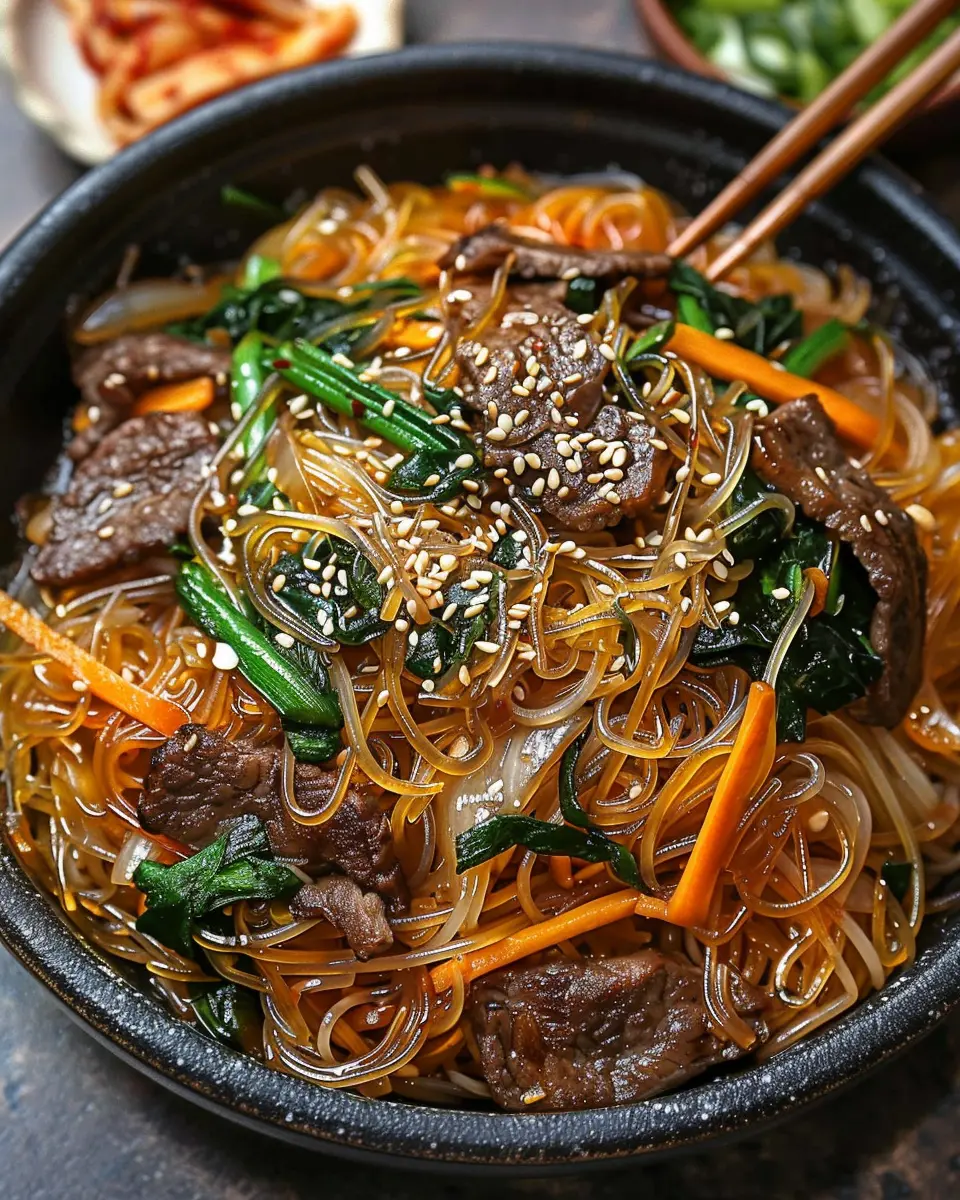
Serving Suggestions for Japchae
Pairing with Side Dishes
When enjoying your delicious japchae recipe, consider complementing it with a variety of traditional Korean side dishes, or banchan. Popular options include:
- Kimchi: The tangy, spicy kick of kimchi balances beautifully with the mild flavors of japchae.
- Korean Pickled Radish: Also known as danmuji, these bright yellow slices add a refreshing crunch.
- Steamed Vegetables: Think lightly seasoned broccoli or carrots for added nutrition and color.
These sides not only enhance the meal but also create a vibrant dining experience, making you feel like you’re at your favorite Korean restaurant right from your home.
Presentation Tips
How you serve japchae can elevate the experience even further. Consider these simple yet effective presentation techniques:
- Garnish: Fresh herbs such as sesame seeds or green onions can add a pop of color and flavor on top.
- Bowls: Use contrast in color—perhaps a bright white bowl to showcase the colorful dish.
- Layering: Serve it in a layered style, showcasing various ingredients for visual appeal.
And don’t forget to share your tasty creation on Instagram! Your beautifully arranged japchae, paired with a refreshing herbal tea, can make for a stunning photo.
For even more inspiration, you might check out Korean Food Foundation for a deep dive into Korean cuisine.
Time Breakdown for Japchae
Preparation time
Getting ready to make your japchae recipe is half the fun! You’ll need about 20 minutes to gather your ingredients, chop your vegetables, and soak those lovely sweet potato noodles. Having everything prepped makes the cooking process much smoother.
Cooking time
Once everything is prepped, the cooking itself takes around 15-20 minutes. You’ll sauté the veggies and proteins, such as Chicken Ham and Turkey Bacon, before tossing in the noodles and sauce. It’s a quick and rewarding process!
Total time
All in all, you’re looking at about 40 minutes from start to finish. Perfect for a weeknight dinner or a gathering with friends! Want a fun fact? Japchae’s rich history dates back to the 17th century—what a way to impress your guests! For more insight into the cultural significance of this dish, check out sources like Korean Bapsang. Happy cooking!
Nutritional Facts for Japchae
Calories per serving
A typical serving of japchae contains approximately 230-270 calories. This makes it a delightful option for young professionals who want to enjoy a satisfying meal without overindulging. The balance of ingredients ensures you can enjoy a flavorful experience while keeping an eye on your caloric intake.
Protein content
With the addition of ingredients like Turkey Bacon and Chicken Ham, each serving offers about 10-15 grams of protein. Proteins are essential for muscle repair and overall body function, making this japchae recipe a smart choice.
Nutritional benefits of ingredients
Japchae is not just delicious; it also boasts a range of nutritional benefits:
- Sweet potato noodles: Packed with fiber, helping to promote digestive health.
- Veggies: A colorful mix of bell peppers, spinach, and carrots provide vitamins A, C, and several antioxidants—critical for immune support.
- Lean proteins: Turkey Bacon and Chicken Ham serve as excellent sources of lean protein, aiding in weight management.
For further insights on the nutritional advantages of sweet potatoes and other ingredients, check out articles from Healthline and Nutrition.gov.
Incorporating japchae into your meals means not only treating your taste buds but also nourishing your body!
FAQs about Japchae
Can I make Japchae ahead of time?
Absolutely! One of the perks of this japchae recipe is that it keeps its flavor over time, making it perfect for meal prep. You can cook the noodles and vegetables ahead, then toss them together with the sauce right before serving. If you’re hosting a dinner or needing an easy lunch for the week, this is a lifesaver. Just keep in mind that the noodles may absorb some sauce, so you might want to reserve a little extra to add before serving.
How do I store leftover Japchae?
Leftover japchae can be stored in an airtight container in the refrigerator for up to five days. Make sure it’s at room temperature before sealing it up to prevent excess moisture. For reheating, you can simply pop it in the microwave for a few minutes or lightly sauté it on the stove with a splash of water or low-sodium soy sauce. This will help restore some of that delightful texture!
What can I use instead of sweet potato noodles?
If you can’t find sweet potato noodles, don’t worry! You can substitute with other types of noodles such as:
- Rice noodles: These are a great gluten-free option.
- Udon or soba noodles: They have a similar texture and soak up flavors well.
- Zucchini noodles: For a low-carb twist, spiralized zucchini can work nicely.
Experiment to see what you like best! These alternatives can still make a delicious version of this japchae recipe. For more info on noodle types and their culinary uses, check out resources from Serious Eats for deeper insights.
Conclusion on Japchae Recipe
Why you should try this recipe today!
Have you ever craved a dish that feels both comforting and gourmet? Look no further than this delicious Japchae recipe. It’s not just about the diverse flavors and textures; it’s about bringing balance to your plate. You’ll enjoy a medley of sweet potato noodles, colorful vegetables, and the savory richness of turkey bacon and chicken ham, creating a true sensation.
Why not treat yourself to a meal that’s as visually stunning as it is tasty? Dive into this delightful dish, share it with friends, or meal prep for the week ahead. With a combination of wholesome ingredients and a hint of fun, Japchae is the perfect way to spice up your cooking routine. Give it a try today—your taste buds will thank you! For more culinary inspiration, check out Serious Eats or Bon Appétit for tips and tricks!
PrintJapchae Recipe: Easy and Delicious Korean Noodles with Turkey Bacon
A delightful mix of sweet potato noodles, vibrant vegetables, and savory turkey bacon.
- Prep Time: 15 minutes
- Cook Time: 20 minutes
- Total Time: 35 minutes
- Yield: 4 servings
- Category: Main Dish
- Method: Stir-frying
- Cuisine: Korean
- Diet: Gluten-free
Ingredients
- 8 ounces sweet potato noodles
- 4 slices turkey bacon
- 1 cup spinach
- 1 carrot, julienned
- 1 bell pepper, sliced
- 3 green onions, sliced
- 2 cloves garlic, minced
- 3 tablespoons soy sauce
- 1 tablespoon sesame oil
- 1 tablespoon sugar
Instructions
- Cook the sweet potato noodles according to package instructions, then drain and set aside.
- In a pan, cook the turkey bacon until crispy and then chop into bite-sized pieces.
- Add garlic, carrot, and bell pepper to the same pan and stir-fry for about 3-4 minutes.
- Incorporate spinach and green onions, cooking until the spinach wilts.
- Add the cooked noodles, turkey bacon, soy sauce, sesame oil, and sugar, tossing everything together until well combined.
- Serve hot and enjoy!
Notes
- For extra flavor, let the dish sit for a few minutes before serving.
- Feel free to add more vegetables like broccoli or mushrooms!
Nutrition
- Serving Size: 1 plate
- Calories: 350
- Sugar: 4 grams
- Sodium: 800 milligrams
- Fat: 10 grams
- Saturated Fat: 2 grams
- Unsaturated Fat: 8 grams
- Trans Fat: 0 grams
- Carbohydrates: 56 grams
- Fiber: 3 grams
- Protein: 10 grams
- Cholesterol: 20 milligrams